October 26, 2026
Planning new hardwood floors involves more than choosing a wood color and finish. Homeowners must consider preparation, installation methods, project timelines, and long-term care. Understanding each stage of hardwood flooring installation helps set realistic expectations and prevent complications. With careful planning, homeowners can enjoy beautiful, durable floors for decades.
Preparing for a Successful Installation
Evaluating the Existing Floor
Before work begins, the existing floor and subfloor must be inspected for uneven surfaces, structural damage, and moisture concerns. These issues can cause squeaks, loose boards, or warping if left unaddressed. A professional evaluation identifies necessary repairs before new materials are installed.
Moisture levels deserve particular attention because wood responds naturally to humidity changes. Excessive moisture can cause expansion, while overly dry conditions may contribute to gaps. Professionals can measure moisture levels and recommend appropriate solutions.
Selecting the Right Hardwood
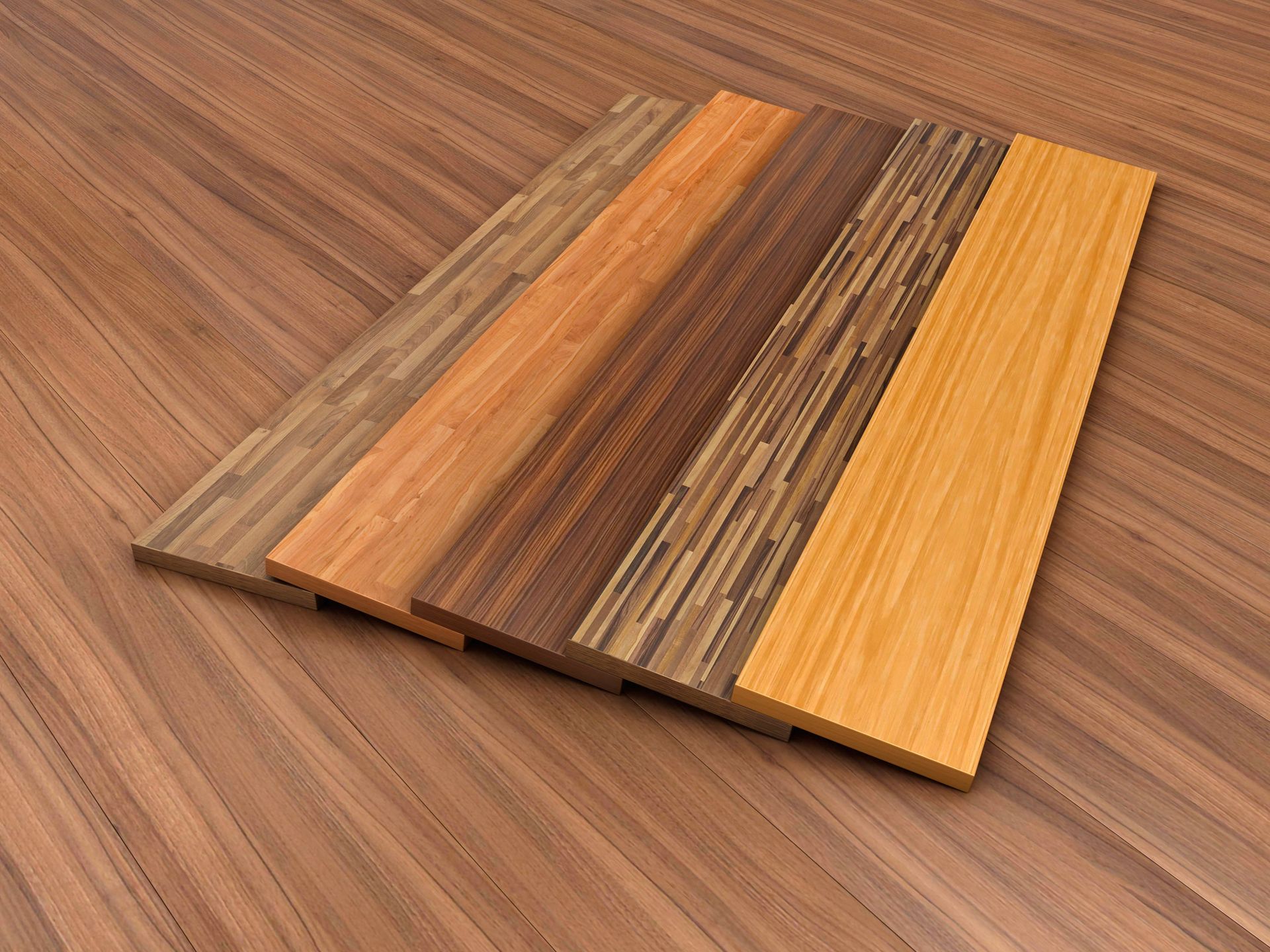
Choosing the right wood influences the floor's appearance, durability, and cost. Oak, maple, cherry, and walnut offer distinct grain patterns and colors. Harder species may suit busy households, while different stains and finishes help coordinate flooring with existing decor.
Homeowners should compare material quality, maintenance requirements, and longevity rather than focusing exclusively on upfront costs. Sustainably sourced materials may also appeal to those seeking to reduce their project's environmental impact.
Planning the Layout and Budget
Accurate measurements help determine how much flooring to purchase, including extra material for cuts and waste. Installing planks parallel to the longest wall often creates a natural visual flow, while diagonal or herringbone patterns offer distinctive alternatives that may require additional labor.
Before scheduling hardwood flooring installation, homeowners should obtain estimates covering materials, labor, subfloor repairs, and removal of existing flooring. Setting aside extra funds for unexpected expenses helps keep the project manageable.
Preparing the Home
Furniture, rugs, and personal belongings should be removed from the work area. Dust barriers and protective coverings shield nearby spaces from debris. Homeowners should also arrange for pets and children to stay away from tools and unfinished floors.
Discussing access, noise, and working hours with the contractor helps minimize disruption to daily routines.
Understanding the Installation Process
Acclimating the Hardwood
Hardwood needs time to adjust to the temperature and humidity of its new environment. The required acclimation period depends on the wood, product specifications, and indoor conditions. Following manufacturer recommendations helps reduce expansion, contraction, and gaps after installation.
Professionals may monitor indoor conditions and measure moisture levels in the wood and subfloor. Skipping necessary acclimation can compromise the finished floor, making this an important step.
Removing the Existing Flooring
Depending on the current surface, preparation may involve removing carpet, tile, vinyl, or older hardwood. This work must be completed carefully to avoid damaging the subfloor. After removal, the area should be cleared of nails, staples, adhesive residue, and debris.
Homeowners should clarify whether removal and disposal are included in their estimate. Older flooring can conceal damage that requires attention, so allowing flexibility in the schedule is sensible.
Preparing the Subfloor
A stable, clean, level, and dry subfloor provides the foundation for a lasting result. Professionals inspect for soft spots, uneven sections, and moisture problems, making repairs as needed. Plywood subfloors may require additional fastening, while concrete surfaces need appropriate moisture testing and preparation.
Depending on the product, an underlayment or moisture barrier may also be necessary. Addressing these details before laying the boards helps prevent movement, squeaking, and premature deterioration.
Installing the Hardwood Planks
The appropriate installation method depends on the flooring product and subfloor. Nail-down installation is commonly used for solid hardwood, while glue-down methods may suit certain engineered products and concrete surfaces. Floating floors connect without being directly fastened to the subfloor and work with some engineered flooring systems.
During hardwood flooring installation, precise measurements and cuts help create consistent rows, clean edges, and attractive transitions between rooms. Professionals also leave expansion space around walls and fixed objects, allowing the wood to respond naturally to humidity changes.
Once the boards are in place, the installer checks for alignment, gaps, and visible issues. Some products require additional finishing work, while prefinished flooring may be ready for use after the manufacturer's requirements are met.
Completing the Cleanup
After installation, the work area should be cleared of debris, packaging, and leftover materials. The floor may need to be swept or cleaned with a product approved for its finish. Homeowners should confirm whether disposal and cleanup are included in the contract.
The installer should explain when furniture can be returned, when rugs can be placed, and whether adhesives or finishes require additional curing time. Following these instructions protects the new surface.
Managing Common Installation Challenges
Addressing Unexpected Subfloor Damage
Removing old flooring can reveal rot, uneven surfaces, or moisture damage that was not visible during the initial inspection. Depending on the severity, repairs may involve leveling the surface, replacing damaged sections, or resolving moisture problems.
Although unexpected repairs can increase costs and extend the schedule, ignoring them can create more serious problems. A contingency budget and clear communication help homeowners make informed decisions when additional work becomes necessary.
Controlling Expansion and Contraction
Wood naturally changes dimension as indoor humidity fluctuates. Without appropriate installation clearances and moisture management, these movements can cause gaps, cupping, or buckling. Proper acclimation, expansion spaces, and correct installation techniques help reduce these risks.
Maintaining consistent indoor temperature and humidity after installation also supports floor stability. A humidifier or dehumidifier may help when conditions fall outside the manufacturer's recommendations.
Handling Scheduling Delays
Material shortages, additional repairs, and changes in project scope can affect the timeline. Homeowners can reduce uncertainty by confirming material availability, discussing deadlines, and establishing realistic milestones before work begins.
Some delays are unavoidable, especially when the subfloor needs additional drying time or the wood requires longer acclimation. Flexible plans and regular communication with the contractor make adjustments easier to manage.
Preventing Budget Overruns
Unexpected repairs, material upgrades, and additional labor can push a project beyond its original estimate. A detailed written quote should identify expected work, material costs, and potential additional charges. Homeowners should request approval before proceeding with changes that significantly affect the budget.
Comparing estimates based on the same scope of work helps clarify pricing differences. The lowest quote is not necessarily the best value if it excludes essential preparation or cleanup.
Protecting and Maintaining the New Floor
Following Post-Installation Instructions
After hardwood flooring installation, homeowners should follow the installer's recommendations for cleaning, furniture placement, and foot traffic. Some products can be used quickly, while others require time for adhesives or finishes to cure. Moving heavy furniture too soon can scratch the surface or disturb newly installed boards.
Furniture pads, protective mats in busy areas, and prompt cleanup of spills help prevent damage. Using cleaning products approved for the floor's finish also preserves its appearance.
Establishing a Regular Care Routine
Routine maintenance involves removing dust and grit with a soft broom, microfiber mop, or suitable vacuum attachment. Abrasive debris can scratch the finish, particularly in entryways. Homeowners should avoid excessive water when cleaning because standing moisture can damage wood.
Addressing leaks promptly, managing indoor humidity, and using protective pads beneath furniture can reduce wear. Periodic professional assessments may identify developing problems before they require extensive repairs.
Understanding Long-Term Value
Hardwood flooring can remain attractive for generations when homeowners choose suitable materials and maintain them properly. According to the National Wood Flooring Association, hardwood flooring can last up to 100 years when it's maintained properly. Actual longevity depends on installation quality, household traffic, moisture exposure, and ongoing care.
Certain hardwood floors can also be sanded and refinished to refresh their appearance or address surface wear. Refinishing potential depends on the floor's thickness, construction, and condition. This ability to renew the surface makes hardwood a worthwhile long-term investment.
Planning for a Lasting Result
A successful hardwood flooring installation begins with careful preparation and continues through precise workmanship and consistent maintenance. Understanding each stage helps homeowners anticipate expenses, plan around household disruptions, and recognize the importance of subfloor preparation and moisture control.
Professional hardwood flooring installation helps homeowners avoid common preparation mistakes and achieve an attractive finish. Following recommended care practices afterward can protect the investment and extend the floor's useful life.
For homeowners preparing to upgrade their living spaces, Wharton Hardwood Floors can help guide the project from initial planning through installation. With the right materials, preparation, and care, new hardwood floors can provide lasting beauty and functionality for years to come.