November 16, 2026
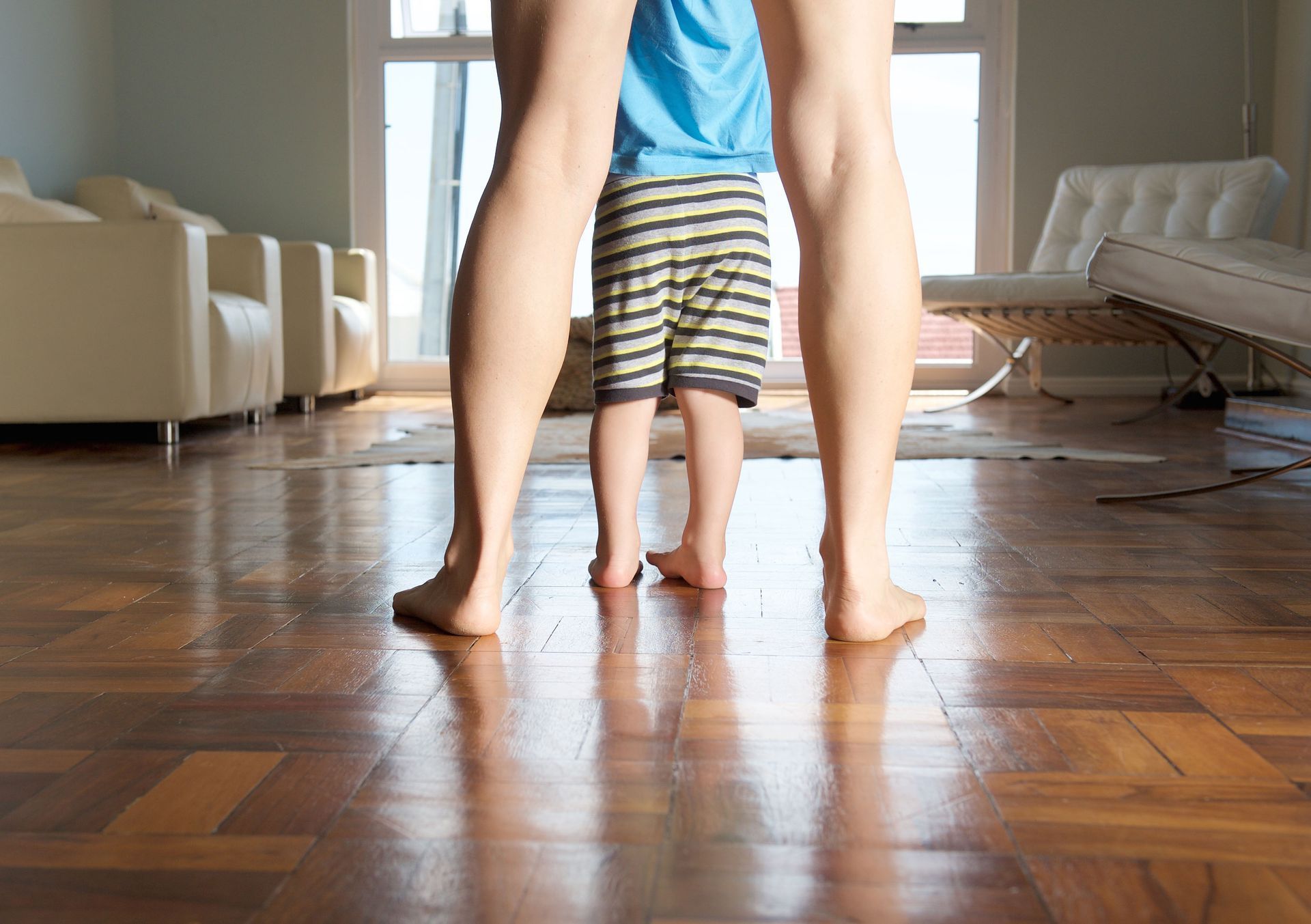
Hardwood floors handle thousands of ordinary steps, from morning routines to evenings spent moving between rooms. Over time, those small movements leave marks on the protective finish. A hallway may grow dull while a guest bedroom stays bright. Understanding where wear starts helps homeowners care for their floors without replacing materials that remain in good condition.
The goal is to limit damage, recognize thinning finishes, and maintain the floor appropriately. In some homes, wood floor refinishing eventually becomes the practical way to restore an uneven or heavily worn surface.
Notice Where Foot Traffic Is Heaviest
Entryways, kitchen pathways, hallways, and the space around dining tables often show wear first. People repeatedly follow the same routes, pressing grit against the floor and gradually changing its appearance. A finish may become dull in the center of a walkway while areas beneath furniture retain their original shine.
Look at the floor in daylight from different angles. Light surface scratches, worn patches, dents, and discoloration tell different stories. Not every mark requires sanding, and some changes are simply part of how natural wood ages. Noting which areas deteriorate fastest can guide cleaning routines and the placement of protective mats.
Understand the Effects of Grit and Footwear
Fine sand and outdoor debris can act like abrasives under shoes. Even when particles are barely visible, repeated steps can scratch the finish. Hard soles and high heels may also concentrate pressure on a small area, sometimes denting the wood itself rather than only its coating.
Use sturdy entry mats to catch moisture and dirt. A place to remove outdoor shoes can help, but household rules should remain comfortable and practical for everyone. Encourage visitors to wipe their shoes, and sweep grit from busy areas before it spreads. These habits can delay the need for wood floor refinishing, though they cannot prevent normal aging.
Address Moisture and Seasonal Conditions
Foot traffic is more damaging when people carry rainwater, snow, or spilled liquids across the floor. Water left standing may enter gaps and contribute to staining, swelling, or cupping. In dry conditions, wood can shrink and gaps may become more noticeable. The exact response depends on the species, installation, finish, and indoor environment.
Wipe spills promptly with a suitable cloth and keep damp footwear near the entrance. Avoid soaking the floor during cleaning or using a steam mop unless the flooring manufacturer specifically permits it. Maintain indoor humidity within the range recommended for the product. If boards are lifting, buckling, or persistently damp, investigate the source before covering the area with a rug.
Match the Finish to Daily Use
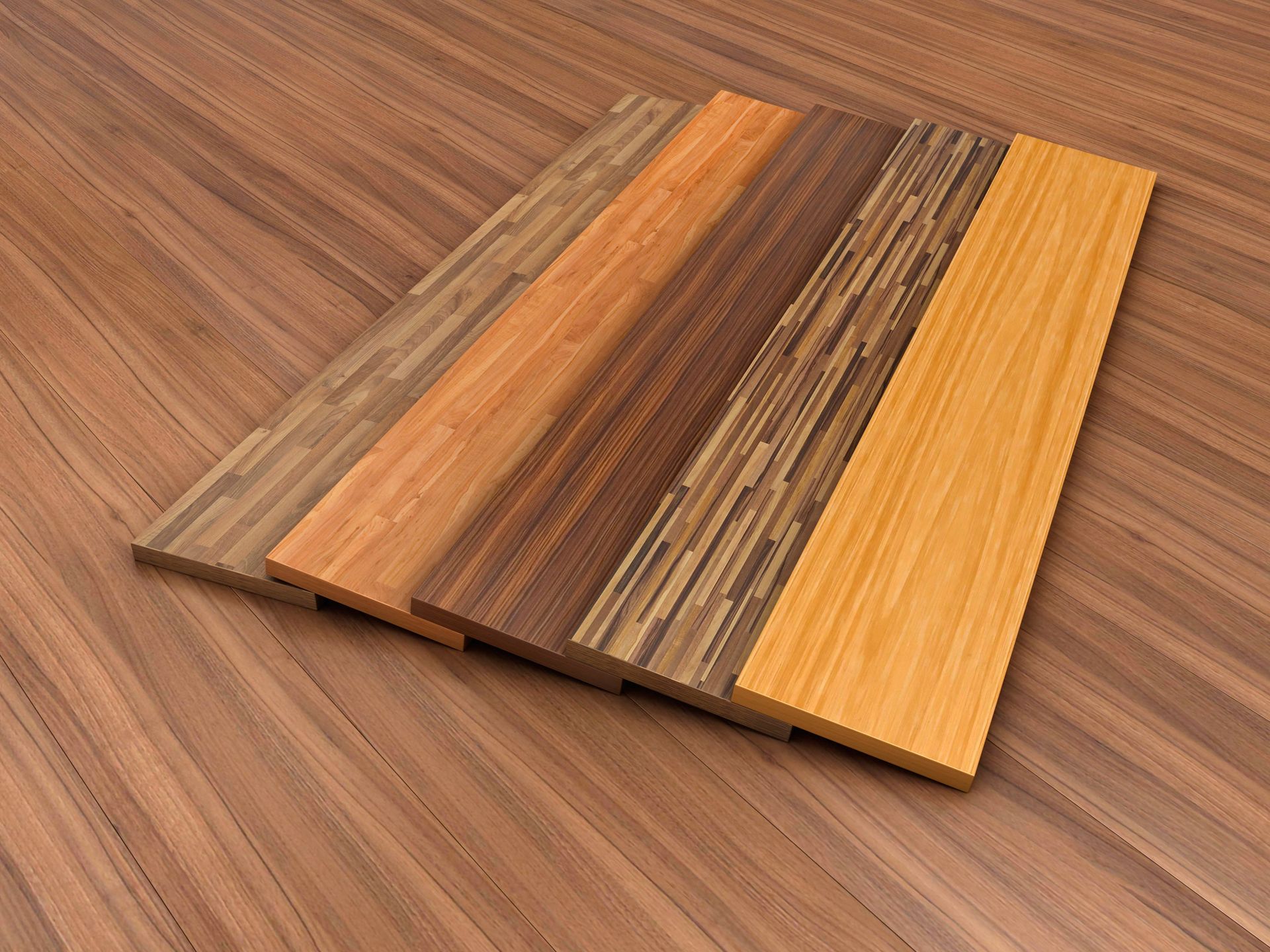
Different wood finishes have different appearances, repair methods, and maintenance requirements. Common polyurethane coatings form a protective surface layer. Penetrating oil finishes create a different look and often call for a different upkeep routine. Products marketed for high traffic vary in durability, so a label alone should not determine the choice.
Discuss the floor's species, existing coating, sunlight exposure, and household activity with a flooring professional. Finish sheen affects appearance, but a glossy surface is not necessarily stronger than a matte one. Before planning wood floor refinishing, confirm that the proposed finish is compatible with the wood and the appearance you want. Ask how the completed floor should be cleaned and when furniture can return.
Clean Regularly Without Overdoing It
Dust and grit are easier to remove before they are ground into the surface. Sweep with a soft broom, use a microfiber dust mop, or vacuum with a hard-floor setting that will not scratch the wood. Give high-use areas extra attention instead of assuming every room needs the same schedule.
For occasional damp cleaning, follow the finish manufacturer's instructions and use a product suitable for that coating. Abrasive pads, excess water, and improvised cleaners can do more harm than good. Some polishes or waxes leave residue that interferes with later recoating, so avoid applying them without knowing what finish is present. Cleanliness is helpful, but frequent harsh cleaning is not a substitute for appropriate floor maintenance.
Protect Busy Areas and Furniture Contact Points
Runners can reduce direct wear in hallways, and entry mats help contain tracked-in grit. Choose nonslip backing that is approved for the floor's finish; certain rubber or plastic backings may discolor coatings. Lift and clean rugs periodically so trapped particles do not keep rubbing against the wood.
Place suitable felt or other protective pads under chairs and furniture, replacing them when they collect dirt or flatten. Lift heavy items instead of dragging them, and use moving equipment designed to protect floors when rearranging rooms. Office chairs may need appropriate mats or compatible casters. These simple choices help reduce concentrated wear without requiring homeowners to keep every room unused.
Recognize When Wear Goes Beyond Cleaning
A floor that stays dull after cleaning may need wood floor refinishing rather than another cleaning product. Scratches that catch the light, areas where the finish has disappeared, and repeated discoloration deserve closer evaluation. Deep gouges, loose boards, or water damage may require repairs before any new coating is applied.
According to HomeGuide, homeowners should consider refinishing wood floors every 7 to 10 years to restore their luster and remove signs of wear and tear. That interval is a general guideline, not a fixed schedule. A lightly used room may last longer, while a busy entryway may need earlier attention. An inspection can determine whether refinishing or a less extensive treatment would address the wear.
Understand Recoating Versus Full Refinishing
When the protective finish is worn but the wood beneath remains sound, a professional may recommend screening and recoating. This typically prepares the existing surface for an additional compatible coat without removing as much wood as a complete sanding process. Whether recoating will bond correctly depends on the existing finish and any residue left by cleaning products.
Full wood floor refinishing generally involves sanding away the old finish, making suitable repairs, and applying a new coating. It can address more extensive surface wear, but floors have limits. Solid hardwood can often be sanded more than once, while some engineered products have a thin wear layer that restricts or rules out sanding. Have a professional confirm the floor's construction before choosing either approach.
Plan the Project Around Household Routines
If full refinishing is needed, ask what preparation the rooms require, how dust will be contained, and when people can safely walk on the new coating. Drying and curing are not identical, and the time before moving furniture or replacing rugs depends on the product used. Arrange safe access to essential rooms and keep pets away from the work area as directed.
Get a written scope covering repairs, staining if requested, finish products, and cleanup. Ask how existing damage will be handled and what conditions might require changes. Clear expectations make it easier to compare proposals and care for the new finish afterward.
Build a Maintenance Plan That Fits Your Floor
Daily traffic is unavoidable, but its effects can be managed. Remove grit, respond to moisture, use suitable furniture protection, and watch for changes in high-use areas. Match maintenance to the finish rather than following universal cleaning advice.
Wharton Hardwood Floors provides installation, maintenance, repair, and refinishing services in the Salt Lake City area. Contact the company to discuss your floor's condition and whether cleaning, repair, or
wood floor refinishing is the best next step.